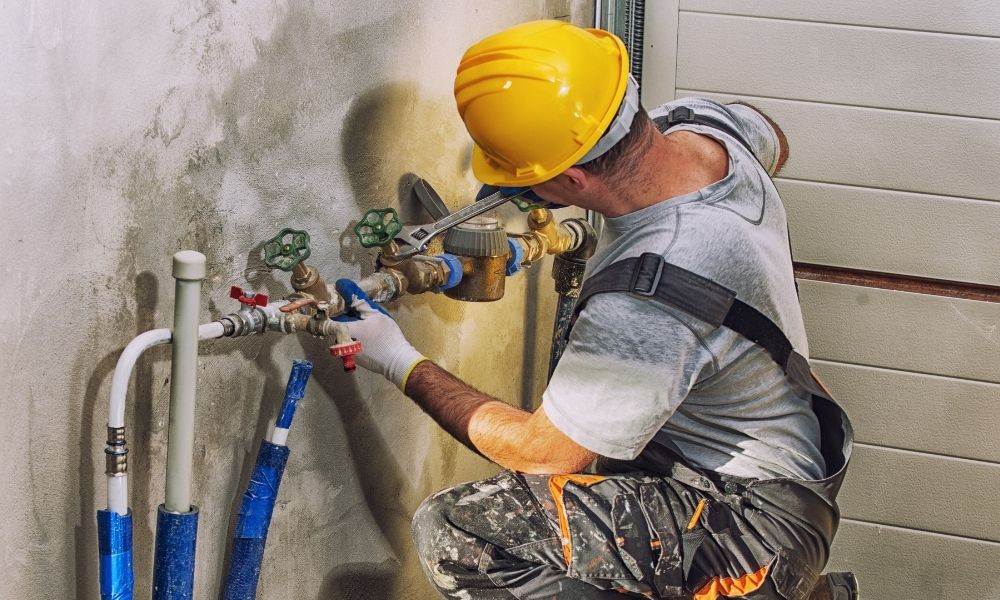
Running a business already feels like juggling glass while riding a unicycle. The last thing you need is plumbing deciding to rebel in the middle of a workday. Yet commercial plumbing problems have a special talent for showing up uninvited and at the worst possible time. In Franklin County, Mississippi, many businesses operate in older buildings, mixed use properties, and high demand environments where plumbing systems are pushed hard every single day. When something goes wrong, operations slow down or stop entirely.
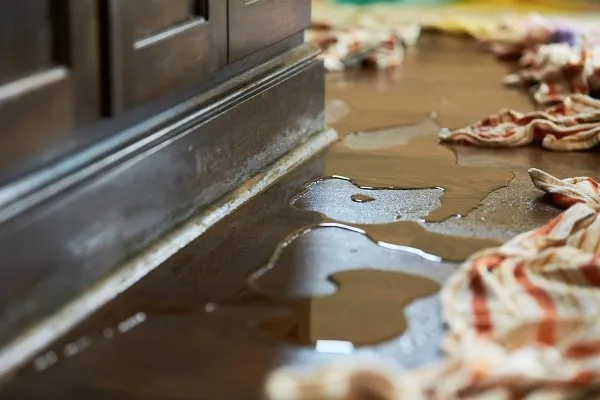
Commercial plumbing is not just residential plumbing scaled up. The systems are larger, more complex, and under constant pressure from employees, customers, equipment, and compliance requirements. A minor issue ignored too long can spiral into lost revenue, property damage, and frustrated customers who do not care about the cause. They just know the bathroom is closed or water is pooling where it should not be.
Below are the most common commercial plumbing problems that disrupt businesses and why addressing them early matters more than most owners realize.
Clogged drains and sewer backups
Clogged drains are the classic problem that never stays small. In commercial settings, drains handle far more volume than a typical home. Restaurants push grease and food particles. Offices deal with paper products and misuse. Retail restrooms see heavy foot traffic and very creative flushing behavior.
Over time, buildup forms inside the pipes and restricts flow. Slow drains are often ignored until they become full blockages. When that happens, wastewater has nowhere to go and backs up into sinks, floor drains, or restrooms. At that point, you are no longer dealing with a nuisance. You are dealing with sanitation issues and potential health violations.
Sewer backups are especially disruptive because they can shut down entire areas of a building. Cleanup takes time, inspections may follow, and customers notice immediately. Early drain maintenance and prompt response to slow drainage can prevent a small clog from turning into a business stopping mess.
Leaking pipes behind walls or under floors
Leaks are sneaky. In commercial buildings, pipes often run behind walls, above ceilings, or under concrete slabs. A slow leak can go unnoticed for weeks or months while quietly damaging materials and increasing water bills.
Signs are subtle at first. Stains on walls, warped flooring, unexplained moisture, or a sudden jump in utility costs. By the time water becomes visible, damage has already spread. Mold growth, structural weakening, and ruined finishes follow close behind.
Leaks disrupt businesses not just because of the repair itself, but because of the collateral damage. Walls may need to be opened. Flooring may need replacement. Sections of the building can become unusable during repairs. Finding and fixing leaks early limits the scope of work and keeps disruption contained.
Water pressure problems
Inconsistent or low water pressure creates daily frustration for staff and customers. Sinks take too long to fill. Restrooms struggle to function properly. Equipment that relies on steady water flow may underperform or shut down.
Pressure problems can stem from several sources. Corroded pipes restrict flow. Hidden leaks divert water where it should not go. Pressure regulators fail. In some cases, outdated plumbing systems simply cannot keep up with modern demand.
High water pressure is not better. Excessive pressure strains pipes, joints, and fixtures, leading to leaks and premature failures. Balanced pressure is key to keeping systems reliable and avoiding surprise breakdowns that interrupt operations.
Failing water heaters
Hot water is not optional for most commercial properties. Restaurants, healthcare facilities, gyms, salons, and many offices depend on consistent hot water for daily operations. When a commercial water heater fails, the impact is immediate.
Common issues include sediment buildup, worn heating elements, thermostat failures, and undersized units that cannot meet demand. Businesses often notice lukewarm water or complete loss of hot water during peak usage times.
When hot water goes down, certain businesses cannot legally or safely operate. That means closures, canceled appointments, and lost revenue. Regular inspection and proper sizing of commercial water heaters help prevent sudden failures and keep operations running smoothly.
Broken or constantly running fixtures
Faucets, toilets, and urinals in commercial spaces see heavy use. Wear and tear adds up fast. A constantly running toilet might seem minor, but it wastes significant water and drives up utility costs. A broken faucet can flood an area overnight if left unchecked.
Beyond water waste, broken fixtures create customer facing problems. Restrooms that are out of order reflect poorly on the business and can violate occupancy requirements. Employees lose time reporting issues and working around them.
Fixing fixtures quickly keeps restrooms functional, reduces waste, and avoids small problems becoming visible complaints that damage customer trust.
Grease buildup in commercial kitchens
Grease is one of the biggest enemies of plumbing systems, especially in food service environments. Even when staff follow disposal rules, grease still finds its way into drains through washing and cleaning.
Over time, grease cools and hardens inside pipes, narrowing the passage for water. This leads to slow drains, recurring clogs, and eventually full blockages. Grease related backups are messy, expensive, and often prevent kitchens from operating until resolved.
Routine grease management and proactive drain care are essential for avoiding shutdowns and maintaining compliance in commercial kitchens.
Aging plumbing systems
Many commercial buildings in Franklin County were built decades ago. Plumbing materials used in the past do not always hold up to modern usage demands. Galvanized steel pipes corrode internally. Old joints weaken. Previous repairs may not meet current standards.
Aging systems are more prone to leaks, pressure issues, and failures that seem to come out of nowhere. The reality is they have been failing slowly for years.
Upgrading sections of outdated plumbing before failure occurs reduces emergency repairs and allows businesses to plan improvements instead of reacting under pressure.
Why early action matters
Commercial plumbing problems rarely fix themselves. They escalate. What starts as a slow drain or minor leak often turns into water damage, downtime, and higher repair costs. Acting early protects the property, keeps employees productive, and maintains a professional environment for customers.
Clear communication and timely repairs help businesses avoid surprises and maintain control over their space. The goal is not just to fix what is broken, but to prevent disruptions before they affect daily operations.
Plumbing may be hidden behind walls and under floors, but its impact is always visible when something goes wrong. Staying ahead of common commercial plumbing issues keeps businesses in Franklin County operating smoothly, safely, and without unnecessary interruptions.