Plumbing emergencies do not wait for slow days or convenient hours. They show up during lunch rushes, busy mornings, and peak customer traffic like they are personally offended by your schedule. When water starts spreading or systems stop working, every minute matters. For businesses in Franklin County, Mississippi, knowing exactly what to do in those first moments can be the difference between a manageable repair and a full blown shutdown.
A plumbing emergency is not just a maintenance issue. It is an operational crisis. How you respond sets the tone for how much damage occurs, how long your business is disrupted, and how expensive the recovery becomes.
Stay calm and assess the situation
The first step is not panic. Panic leads to rushed decisions that make problems worse. Take a moment to identify what is happening and where the issue is coming from.
Is water actively flowing or spraying
Is sewage backing up
Is hot water completely unavailable
Is the problem isolated to one area or spreading
Understanding the scope helps determine what actions to take immediately and what can wait for professional repair.
Shut off the water if it is safe to do so
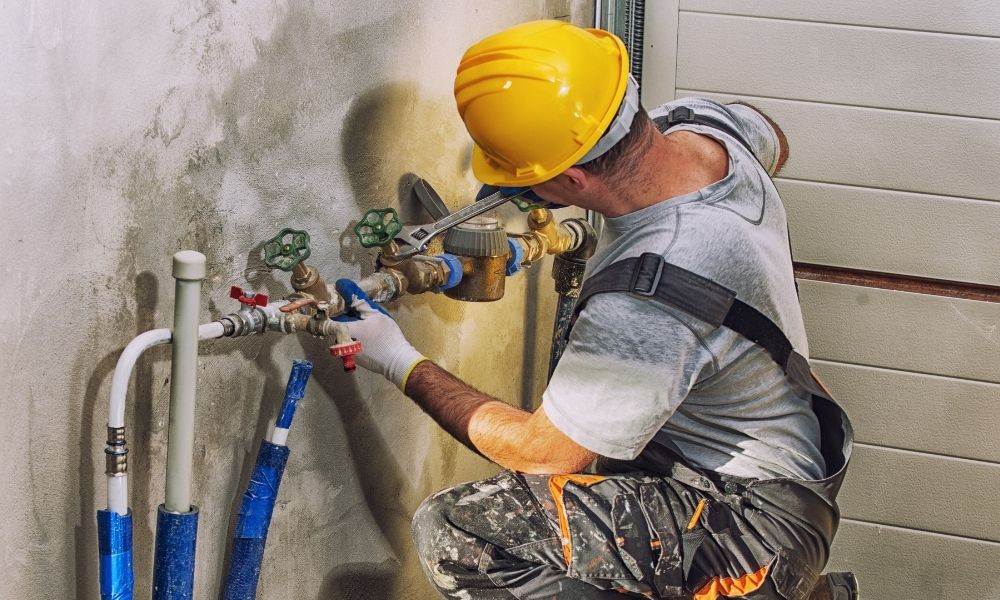
If water is actively leaking or flooding an area, shutting off the water supply is the fastest way to limit damage. Many commercial properties have multiple shutoff valves, including fixture level valves, zone valves, and a main shutoff.
If staff are trained and it is safe, turn off the valve closest to the source of the problem. If the source is unclear or the leak is severe, shutting off the main water supply may be necessary.
Stopping the flow of water protects floors, walls, inventory, and equipment from further damage while you arrange repairs.
Protect people first
Safety comes before property. Standing water creates slip hazards and electrical risks. Sewage backups introduce health concerns that require immediate attention.
Keep employees and customers away from affected areas. Block access if necessary and clearly communicate what is off limits. If electrical systems are near water, power may need to be shut off to prevent additional hazards.
Taking control of the space prevents injuries and liability while the issue is being addressed.
Stop using affected plumbing fixtures
Once a problem is identified, stop using any fixtures connected to the issue. Continuing to run water through compromised pipes or drains makes the situation worse and increases cleanup needs.
In the case of sewer backups or slow drains, continued use can force wastewater into areas where it does not belong. Clear communication with staff is critical so everyone understands what cannot be used and why.
Document what is happening
While the issue is being contained, take photos and notes if possible. Document visible damage, water spread, and affected areas.
This documentation helps with insurance claims, property management communication, and repair planning. It also creates a record of the condition before work begins, which can be valuable later.
Do not delay emergency response just to document, but gather information once the situation is stable.
Call a commercial plumber immediately
Plumbing emergencies are not a wait until tomorrow problem. Commercial systems are complex and require professional diagnosis and repair.
When calling for service, provide clear details about what is happening. Mention whether water has been shut off, what areas are affected, and whether business operations are currently impacted.
Clear communication allows the plumber to arrive prepared with the right tools and parts, reducing repair time and disruption.
Communicate with staff and customers
Silence creates confusion. Let employees know what is happening and what steps are being taken. Clear instructions reduce mistakes and help everyone stay safe.
If customers are affected, communicate professionally and calmly. Visible effort and transparency help maintain trust even during disruptions.
How a business handles emergencies often leaves a stronger impression than the emergency itself.
Prevent water from spreading further
If water is present, take steps to limit spread. Use towels, buckets, or temporary barriers to redirect water away from sensitive areas. Move equipment, inventory, and furniture if it can be done safely.
These actions do not replace professional mitigation, but they reduce damage while help is on the way.
Do not attempt complex repairs yourself
Temporary actions like shutting off water are appropriate. Attempting repairs without proper tools or experience is not.
Improvised fixes can worsen damage, create safety risks, and complicate professional repairs. Leave pipe repairs, drain clearing, and system adjustments to qualified plumbers.
The goal is containment, not heroics.
Prepare for cleanup and restoration
Some plumbing emergencies involve more than fixing pipes. Water damage may require drying, sanitation, and material replacement. Sewage incidents require proper cleanup to restore safe conditions.
Understanding that repair is only one part of recovery helps businesses plan next steps realistically.
Early action reduces the extent of cleanup required and speeds up the return to normal operations.
Learn from the emergency
Once the issue is resolved, review what happened. Identify what caused the emergency and whether warning signs were present beforehand.
Recurring issues often point to deeper system problems that require preventive attention. Addressing root causes helps avoid repeat disruptions.
Plumbing emergencies are expensive teachers, but they offer valuable lessons when taken seriously.
Build an emergency response plan
The best time to prepare for a plumbing emergency is before one happens. An emergency response plan outlines who to contact, where shutoff valves are located, and how staff should respond.
Training employees on basic response steps reduces panic and limits damage when issues arise.
Prepared businesses recover faster and suffer less disruption.
Why quick action matters
Every minute a plumbing emergency continues unchecked increases damage and cost. Water spreads quickly. Structural materials absorb moisture. Business operations grind to a halt.
Fast response limits damage, shortens downtime, and protects both the property and the people inside it.
Plumbing emergencies are stressful, but they do not have to be catastrophic. Clear steps, calm decision making, and professional support keep situations under control.
For businesses in Franklin County, knowing what to do when plumbing fails is not just good planning. It is essential for protecting operations, reputation, and long term stability.